Thompson Announces $1.5 Million Defense Department Grant for Riptide Bioscience

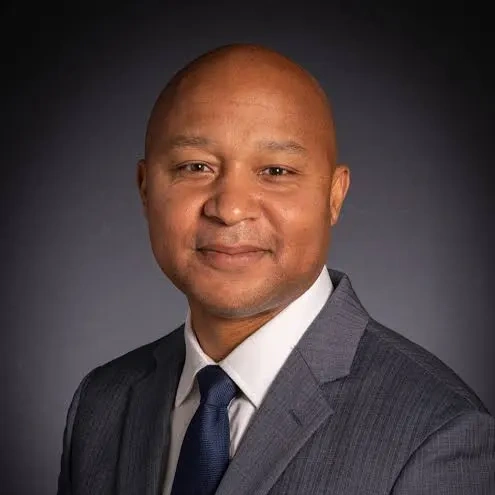
WASHINGTON D.C. – U.S. Rep. Mike Thompson (CA-5) today announced a $1.5 million Defense Department grant for Riptide Bioscience, Inc. Riptide Bioscience is based in Vallejo on Mare Island. The grant, part of the US Army Medical Research Acquisition Activity (USAMRAA), will go towards a research project titled the ‘Evaluation of Novel Antimicrobial Peptides as Topical Anti-Infectives with Broad Spectrum Activity Against Combat-Related Bacterial and Fungal Wound Infections.’

‘For several years, Riptide has been doing cutting-edge medical research right here in Vallejo,’ said Thompson. ‘Their research into wound-healing applications will provide great benefits to those in our military as well as the general population. Some 75 percent of recent war injuries are the result of ballistic wounds, and our Riptide is finding new and better methods to fight infections that result from those wounds. Their work will benefit our local economy, and I’m proud to support this kind of leading medical science emerging from our district.’

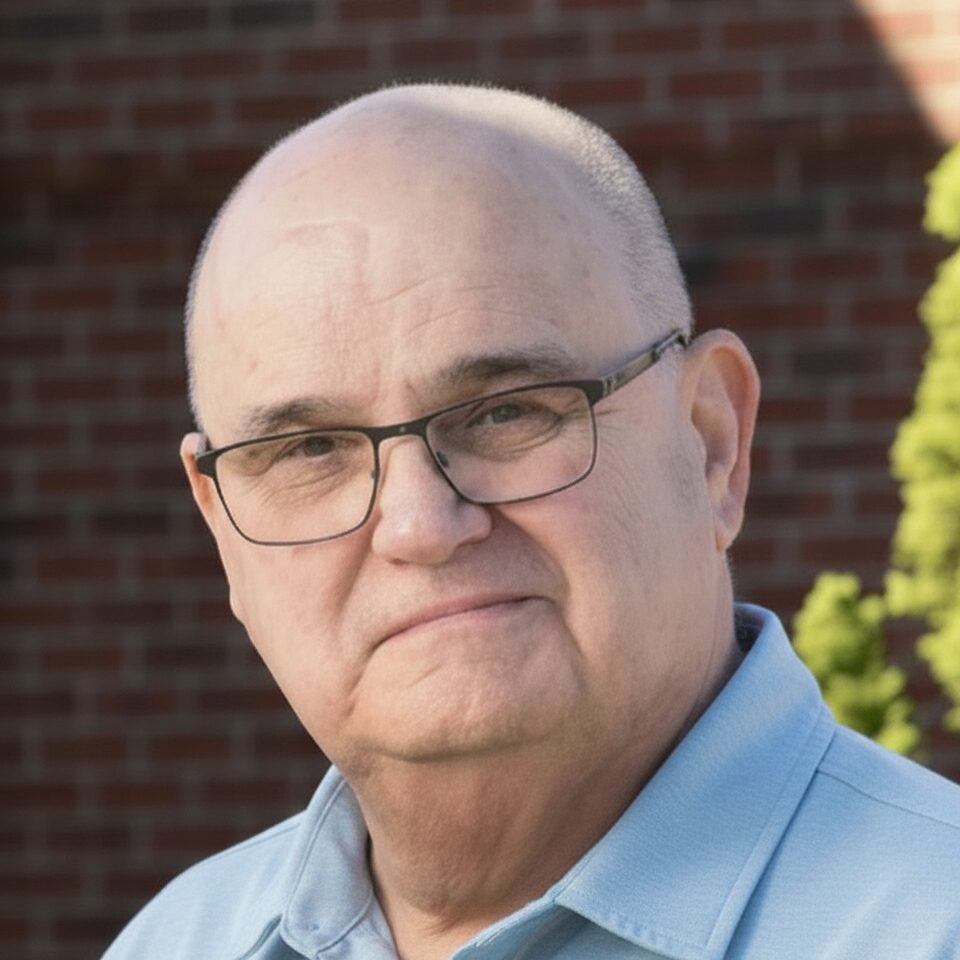
Henry Lopez, Executive Vice President of Riptide, said, ‘The research funded by this grant has huge potential to improve outcomes for war-wounded servicemen and women, and also civilian patients suffering from everyday wounds and trauma.’

Lopez continued, ‘This grant was one of only five funded in a tremendously competitive process involving some 280 applications from top research institutions across the nation. So we see it as powerful affirmation for the peptide-based therapeutics Riptide is developing.’

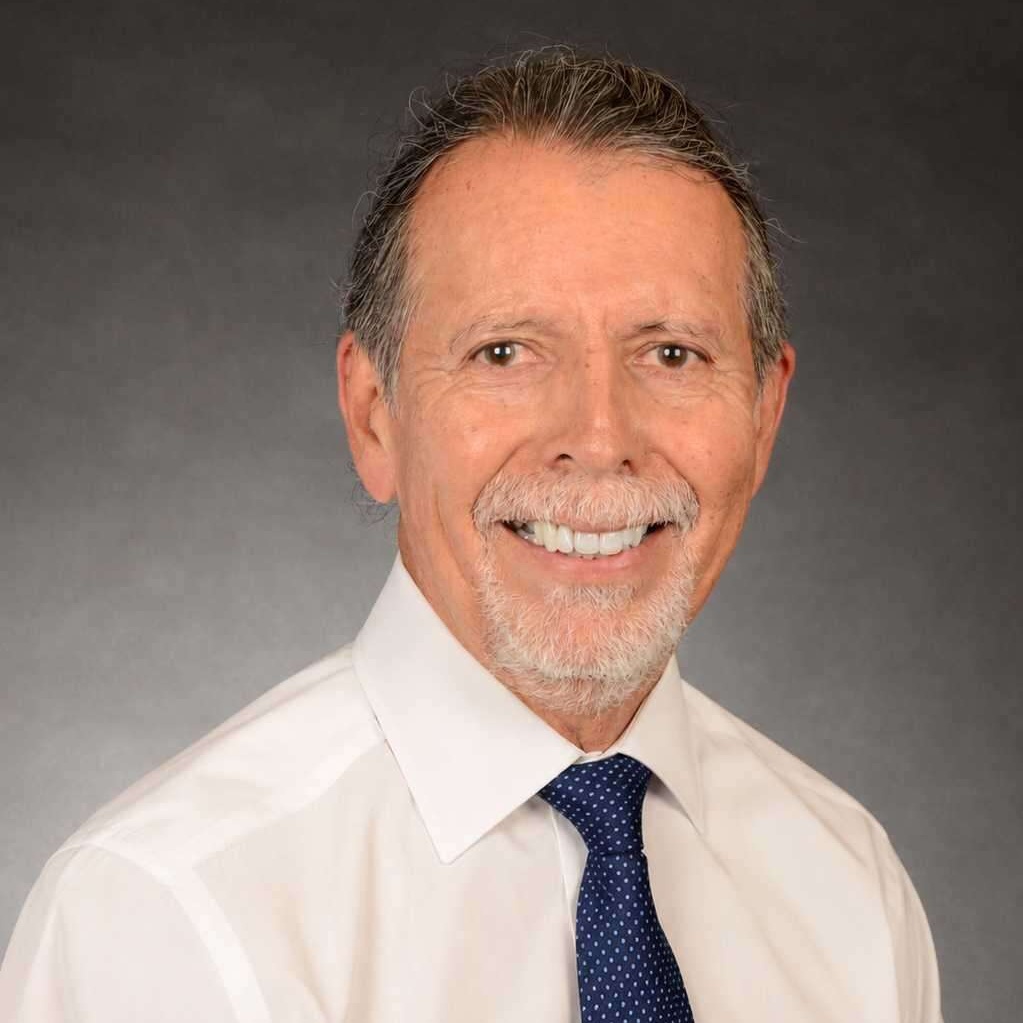
L. Edward Clemens, Principal Investigator on the Defense Department project, added, ‘As exciting as it is to improve the medical science behind wound healing, the work done here may have even wider application. One of the biggest challenges in our health system is the growing resistance of bacteria to conventional antibiotics. As those drugs are more widely used, bacteria mutate around the metabolic pathways the drugs use to kill germs. This is a crisis in the making. Some estimates suggest that in just a few years, antimicrobial resistance will lead to more deaths than cancer and diabetes combined.’

‘But Riptide’s agents don’t work through the usual pathways,’ Clemens continued. ‘They kill bacteria in ways much harder to mutate around. We expect these drugs to be a big part of the medical armament against the germs of the future.’

Riptide Bioscience’s research involves the development of Designed Host Defense Peptides (dHDPs). HDPs are small molecular weight proteins that fight against pathogenic bacteria, viruses, protozoa, and fungi.

Congressman Mike Thompson is proud to represent California’s 5th Congressional District, which includes all or part of Contra Costa, Lake, Napa, Solano and Sonoma Counties. He is a senior member of the House Ways and Means Committee. Rep. Thompson is also a member of the fiscally conservative Blue Dog Coalition and chairs the bipartisan, bicameral Congressional Wine Caucus.

04 — News & Updates

Latest from Riptide.

Riptide’s programs are supported by a growing body of peer-reviewed publications and independent academic validation. Riptide has won substantial support through competitive grants from multiple National Institutes of Health (NCI, NIDDK, NEI, NIAMD), the US Department of the Army, Scleroderma Research UK, and private foundations.

News

March 2, 2026

STANFORD, CA. – A collaborative study by US and Brazil scientists has demonstrated potent activity by Riptide’s RP557 among fungal pathogens designated as high priority by the World Health Organization. Writing in Microbiology, a team led by Dr. David Stevens of Stanford University and Dr. Melissa Xavier of the Mycology Laboratory, Federal University of Rio […]

News

November 26, 2025

ATLANTA, GA. – A team from Emory University’s School of Medicine has established striking efficacy of Riptide Bioscience proprietary peptide, RP832c, in both in vitro and in vivo models of cutaneous T-cell lymphoma. Writing in the Journal of Investigative Dermatology, a team led by Dr. Neda Nikbakht, MD/PhD, reported that in experiments conducted at Emory […]

News

June 10, 2025

BIRMINGHAM, AL. – Researchers at the University of Alabama Medical Center have shown that radiolabeled versions of Riptide immune-modulating peptides can quantify immune responses in diabetes and cancer, potentially helping to drive treatment decisions. Obesity is a chronic inflammatory condition associated with diabetes, cancer, and cardiovascular disease. Over two-thirds of US adults are estimated to […]

Contact Riptide Bioscience

Riptide Bioscience welcomes inquiries from potential partners, licensees, and investors interested in our development programs and proprietary drug candidates. To explore collaboration or investment opportunities, please contact us at info@riptidebio.com.

Dr. Donald Kennedy†

Founding Advisor · In Memoriam

Prior to his untimely passing, Dr. Kennedy was a founding advisor and shareholder in Riptide Bioscience, and we strive to maintain the scientific rigor and higher objectives he inspired.  Dr. Kennedy was a noted neurobiology research scientist prior to chairing Stanford University’s Department of Biology and founding its Program in Human Biology.  He went on to serve as the US FDA Commissioner, later returning to Stanford as provost and ultimately University President.  Subsequently he served as editor-in-chief of Science.

Dame Carol Black

Board of Advisors

Dame Carol Black is a world-renowned expert in rheumatology, who served as Medical Director of the Royal Free Hospital at University College London, where she established Europe’s largest center for both scleroderma research and treatment.  Later she served as President of the Royal College of Physicians, and served as the UK government’s National Director for Health and Work.  She is co-president of the UK government organization focusing on the consequences of musculoskeletal disorders, and led the government’s Independent Review of Drugs.

Dr. Frank McCormick

Board of Advisors

Dr. Frank McCormick is among the world’s top cancer researchers, and received the first Stephenson Global Prize for his groundbreaking cancer discoveries.  Dr. McCormick’s pioneering work uncovered how mutations in the KRAS gene, present in more than 90% of pancreatic ductal adenocarcinomas (PDAC), disrupt the body’s natural ability to regulate cell growth. His discoveries have been foundational to the development of therapies targeting KRAS, a goal once thought unattainable.

Dr. Leonard Post

Board of Directors

Dr. Leonard Post has more than 30 years of experience with all stages of drug development, from early discovery through FDA approval.  Previously he served as Senior Vice President of Research and Development at Onyx Pharmaceuticals from 2000 to 2006. In this role, he was responsible for the co-development of Nexavar through to FDA approval for renal cancer. Onyx was sold to Amgen for $10 billion. Subsequently he served as Chief Scientific Officer and Co-Founder of LEAD Therapeutics (sold to BioMarin for $100M), and remained at BioMarin as Chief Scientific Officer.

Dr. Clayton Yates

Principal Scientist

Dr. Yates, Professor of Oncology, Pathology and Urology at Johns Hopkins University, has administered numerous grant awards from the National Cancer Institute and the Congressionally Directed Medical Research Program at the Department of Defense, and is a frequent invited speaker at national and international conferences focusing on prostate and breast cancer. Dr. Yates’ research focuses on how the tumor microenvironment influences epigenetic regulators, which can cause tumor cells to undergo epithelial to mesenchymal transition (EMT), and promote metastasis.

Dr. L. Edward Clemens

Principal Scientist

Dr. Clemens is a biologist and pharmacologist with 35 years’ experience in drug development, including the first identification of antagonists useful for controlling estrogen-dependent cancers. Dr. Clemens has led research teams at companies including Parke-Davis, Scios, and Metabolex, including the team that prepared data for the IND and ultimate approval of a recombinant form of human natriuretic peptide for congestive heart failure.

Dr. Jesse Jaynes

Principal Scientist

Dr. Jaynes is a leading biochemist specializing in peptide design, and has served as Chief Scientific Officer at two previous companies. As documented in >120 peer-reviewed publications and >60 patents, the Jaynes Lab was first in the world to demonstrate antiprotozoal, plant disease resistance, and anticancer activity for designed lytic peptides both in vitro and in vivo. In agriculture, Dr. Jaynes’ antimicrobial peptides have been licensed by US Sugar / Tropicana for use in citrus crop protection.

Kathryn Woodburn, Ph.D.

Senior Vice President, Translational Sciences

Translational development executive with 25+ years driving programs from discovery through IND, clinical development, and regulatory approval. Known for shaping development strategy, integrating cross‑functional scientific disciplines, and delivering registration‑ready data packages. Career includes leadership roles at Life Edit Therapeutics (ElevateBio), Avalanche/Adverum (acquired by Eli Lilly), Affymax, and Pharmacyclics (AbbVie), complemented by a consulting practice supporting translational drug development, and regulatory strategy across gene therapy, gene editing, regenerative medicine, ophthalmology, pain, oncology, hematology, arthritis, inflammation, infection and drug delivery. Author of 70+ peer‑reviewed publications and inventor on 10 patents.

Henry Lopez, Ph.D.

EVP — Operations

Dr. Lopez is an executive with both hands-on and management expertise in preclinical development, focusing particularly on execution of a wide variety of in vitro and in vivo assays.  Dr. Lopez managed laboratories at Xoma, Glycomed, and ultimately Parke-Davis/Pfizer as Director of its Phenotyping Core.  He went on to found MuriGenics, a large Contract Research Organization, servicing publicly-held and privately-held pharmaceutical companies worldwide.  Dr. Lopez is also an Associate Professor at the Division of Medicine, University College London.

Charles Garvin

CEO

Mr. Garvin, a seasoned CEO and technology investor, has a BA and JD from Harvard University, and did PhD study at Oxford University as a Rhodes Scholar. He has been Chairman, CEO, or controlling shareholder at a number of tech and biotech companies during a 40-year career. Mr. Garvin served as an officer and member of the Board of Directors at the Boston Consulting Group, a leading strategy consulting organization, and was one of the original principals of the Beta Group, a seed capital firm which has incubated several successful medical technology companies. Subsequently Mr. Garvin has served as Chairman or represented controlling interests in companies of up to $350 million in revenues, including TVC Communications, Riviera Trading, EK Holdings and Basic Industries. He is currently a Director of Tosk, Inc. (cancer chemotherapies) and Senior Advisor to SanBio (stem cell therapies).